who are the editors, in their own words
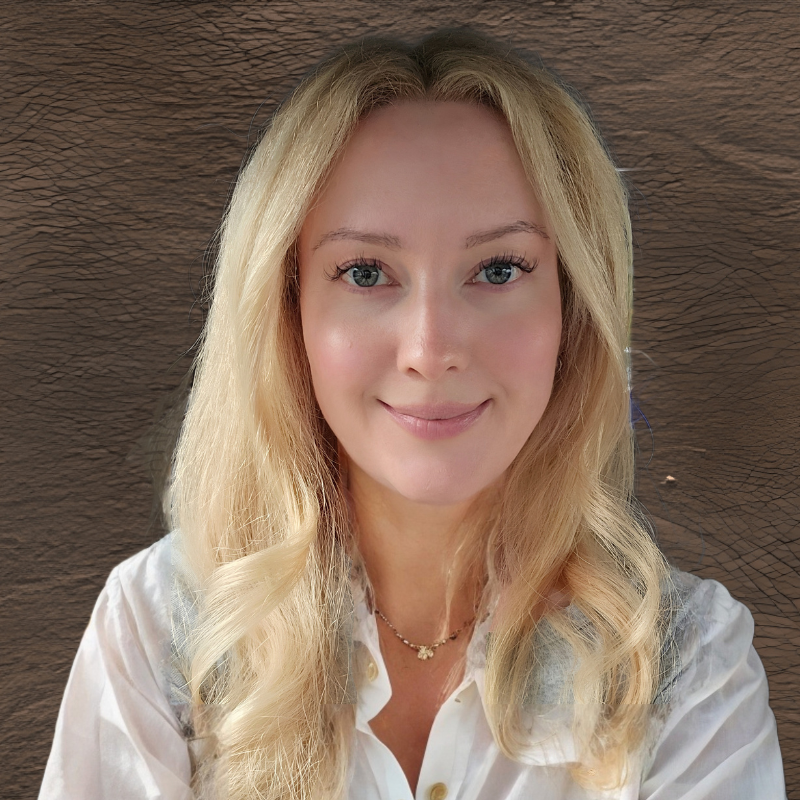
Ana Mourant
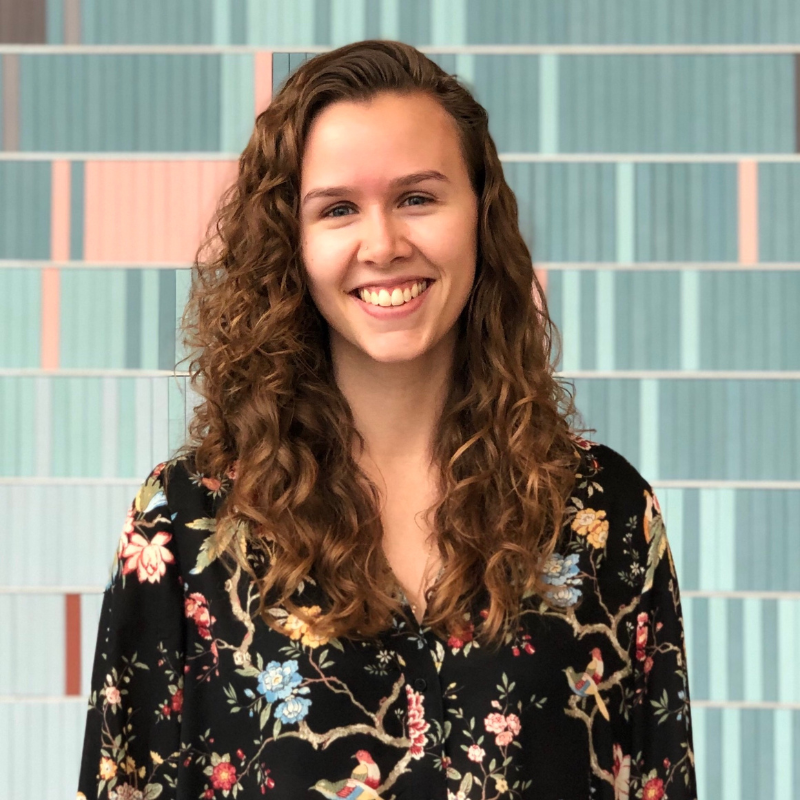
Brenna Bailey-Davies
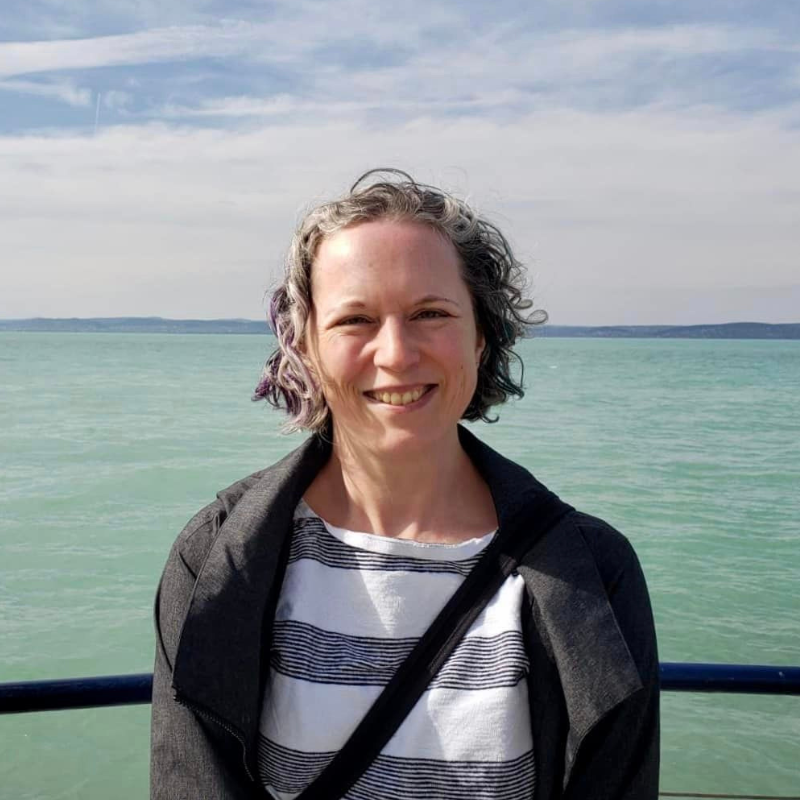
Cath Ennis
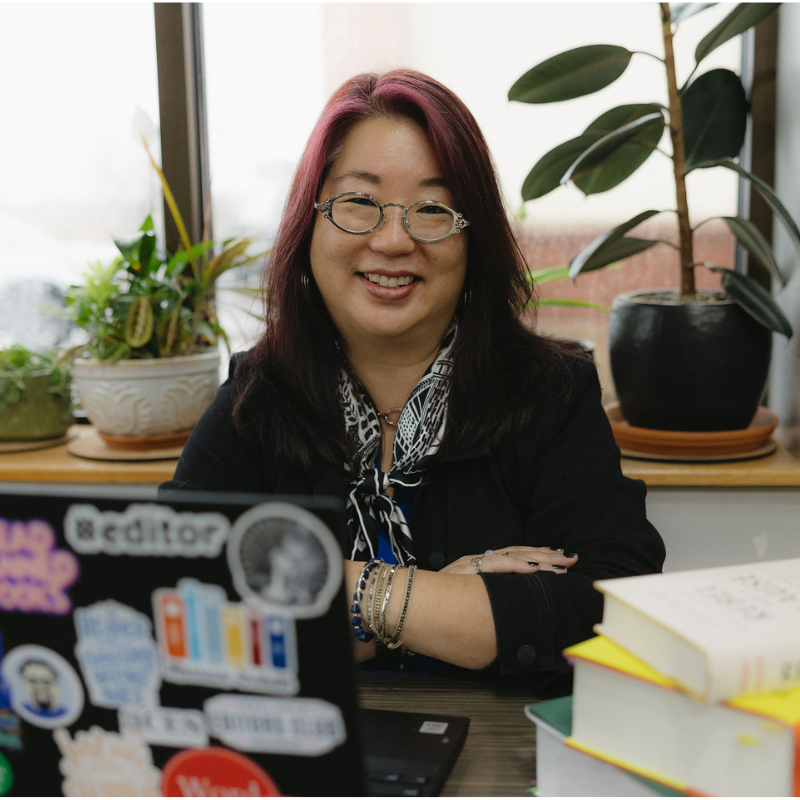
Erica Mito
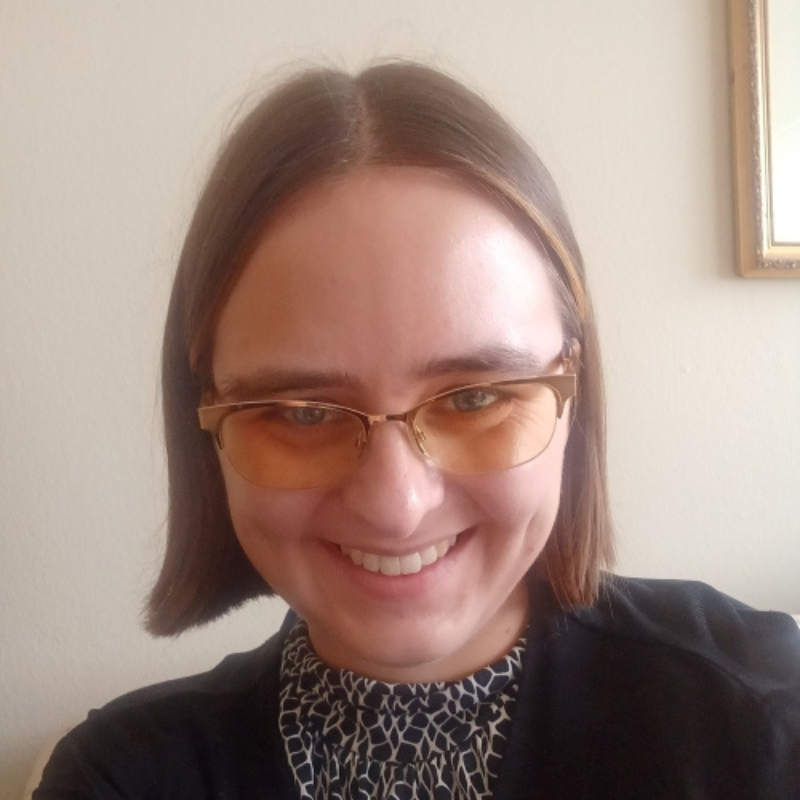
Linnea Peterson
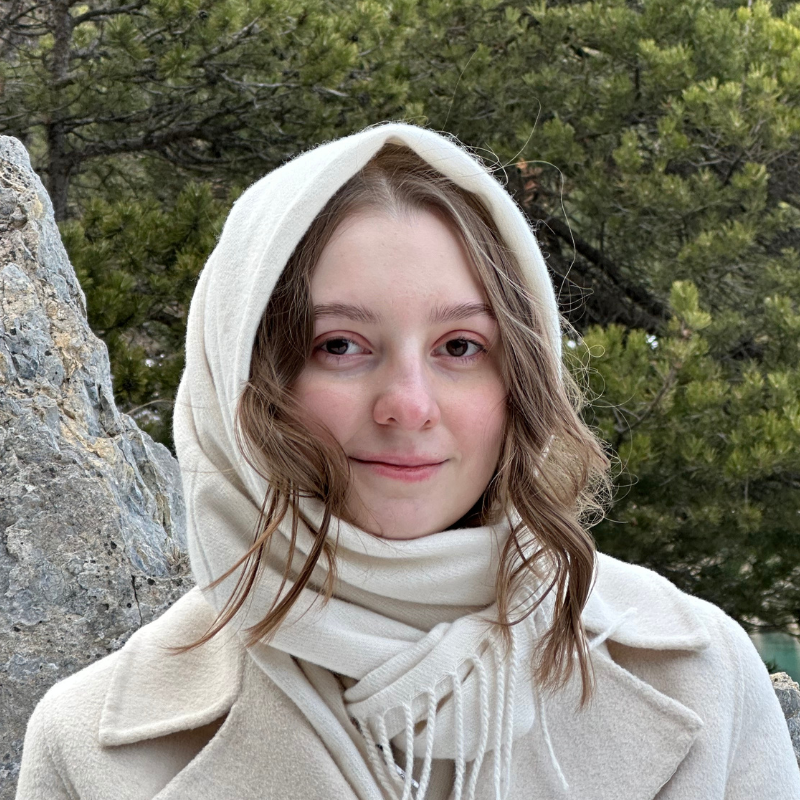
Marie Cela
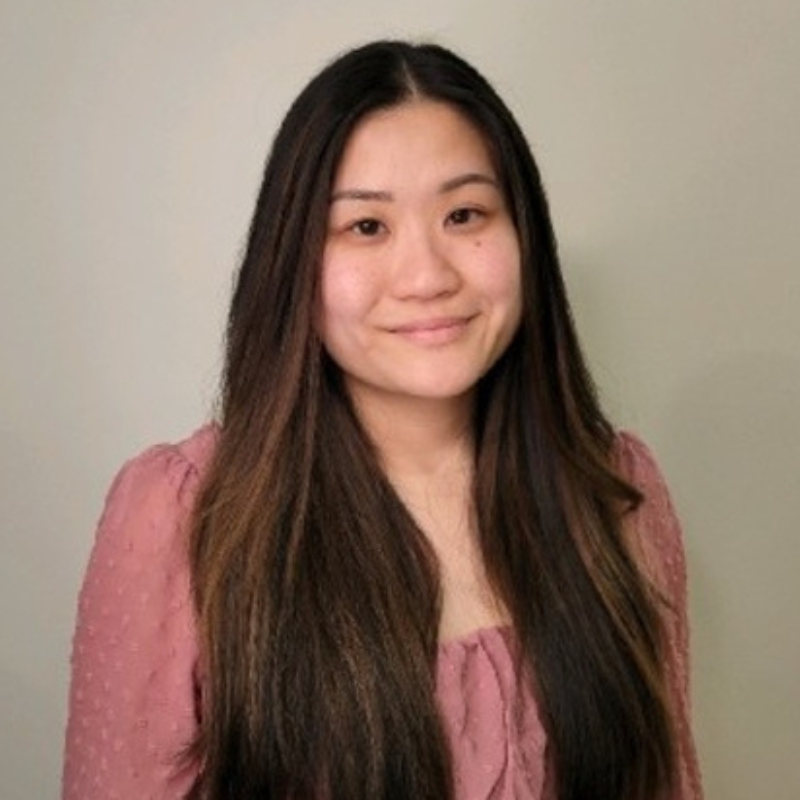
Minna
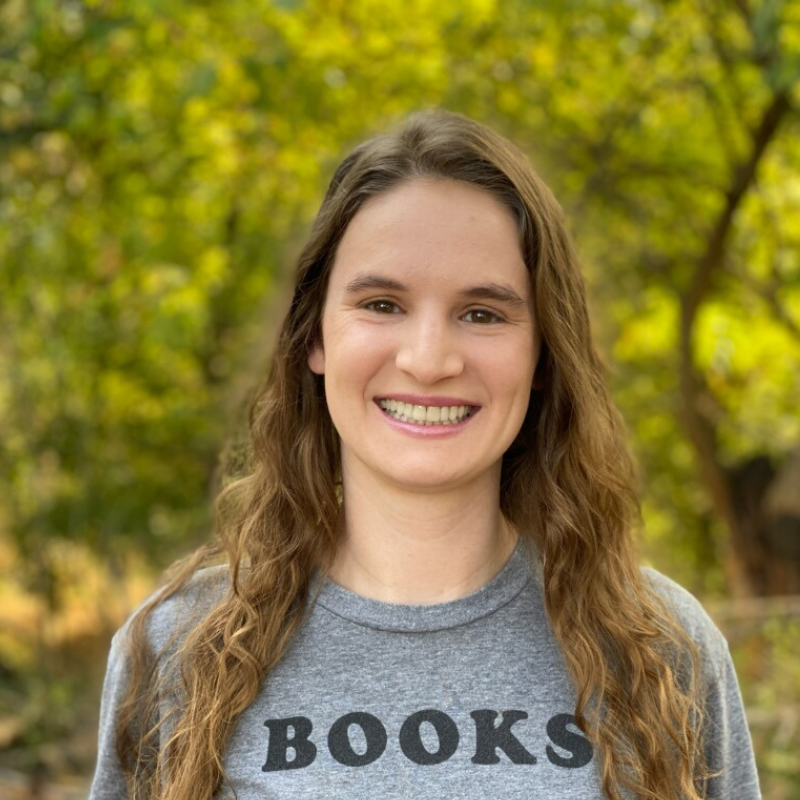
Richelle Braswell
For a profession that is all about clarity of language, “editor” as a job description can have a lot of ambiguity. Within the Editors Tea Club, our members include proofreaders, line editors, copyeditors, and developmental editors. Some work on academic articles and grant proposals, some edit highly specialized blogs and newsletters for niche industries, some work with publishing companies, and others partner with indie authors in a variety of genres. Twenty-four Tea Club members completed our survey about how they got started, the types of editing they offer, and the clients they serve.
What do editors have in common? Gillian Hill of Gillian Hill Writing Services has a theory: “My gut feeling is that editors have a specific skill set that involves being able to see the big picture and paying attention to detail at the same time.”
always that friend
Some Tea Club members have loved correcting spelling and grammar errors on their classmates’ homework assignments since middle school. I was entranced by the secret code of copyediting marks in seventh grade and would correct the notes my friends sent to me in class. (Remember handwritten notes?) And I wasn’t the only one:
“I’d been editing homework and essays for friends since we were first assigned ‘written’ homework in elementary school, starting with grammar, spelling, and punctuation. I became the default friend who reviewed and edited my friends’ essays in high school for content correctness in addition to what I’d been doing in the earlier years. In university, I started helping my friends with phrasing, tone, and correctness of citations with regards to style guides as well.” — Minna of Aurion Edits
“In middle school, high school, and through college, I was always that friend who would read over your essay before you turned it in. It shocked me that other people didn’t find intense satisfaction in editing. That satisfaction just never went away.” — Birch MacLeod
Editor Training
Editing is a skill that requires training. Tea Club members have pursued a variety of educational paths—from university degrees to professional certificates and specialized editing programs—to work at a professional level. As Valerie Paquin of Tapir Trail learned, “I was ready for a career change and thought my grammar-police ways would make me a good editor, which shows how little I knew about the job.”
Here are more comments from Tea Club members explaining the pivotal role education has played in their careers:
“My degree in publishing opened the door to entering that business. As part of that degree, I took several editing classes.” — Sydney Jarrard of Speakeasy Consulting
“The certificate courses I’ve taken for proofreading and editing have helped me immensely in learning current editing trends, as well as offered tips on how to up my proofreading and editing skills. I wouldn’t be the editor I am without my education.” — Ceylan Ozguner of Oz Editorial Services
Second career
A few Tea Club members began their careers in the publishing industry, but most came to editing as a second, third, or even fourth career. Many transitioned from roles in nonprofits, marketing, or teaching. When family life, burnout, or caregiver responsibilities took priority, editing offered a flexible way to earn a living from home.
“I left my full-time communications role to care for an aging parent, and freelance editing seemed like the best way to maintain work while also having a flexible schedule.” — Sydney Jarrard
“Working for myself as an editor has helped me get out of burnout and balance work-life better.” — Steph Collin of Otters Editing
“I was working as a marketer at a publishing company, and editing gradually became part of my work there as my boss noticed my skills. When I quit that job, I started freelance editing instead.” — Linnea Peterson
Starting as an editor
Some are born editors, some achieve editorship, and some have editing thrust upon them. Brenna Bailey-Davies of Bookmarten Editorial always loved reading, so she earned a BA in English. “Reading, reading, and more reading! I’ve always been a bookish person, and my love for reading has been the number one motivation for my editing career.” Brenna’s reading habit also carried into her academic studies: “I think reading for most of my degree helped shape my knowledge and desire to work in publishing.”
Wendee Mullikin of Purple Pen, LLC was working as a teacher when an unexpected opportunity came her way:
“An author who also lives in Michigan posted on Twitter for beta readers for the first book in a new series. I was SO excited when she told me to DM her my email address. The manuscript landed in my inbox, and I couldn’t WAIT to finish grading the batch of tests I’d brought home and get the Spawn settled for the night.
“Once I opened the file, I naturally started to make corrections—and I did it with tracked changes because I was using digital files for rough drafts with my older students. I emailed her before I stopped reading for the night and asked if she would mind my doing some light editing as I went through it because my brain wouldn’t let me move past an error without making a tracked correction.
“She was happy to have me make the changes—but said she couldn’t pay me because this would be a free book to hook readers on the new series. This book became an international bestseller and was number one in romance freebies in several stores. I have an Italian copy in my shelf. I edited nearly a dozen more books in the series and a spin-off before my schedule prevented me from continuing.
“That was 2012.”
Erin Brenner of Right Touch Editing and author of The Chicago Guide for Freelance Editors was working at a shoe store while searching for jobs after college when she bumped into her former college advisor. “You’re working in SHOES?” the advisor said, before promptly sending Erin on an interview for a part-time proofreading job.
Erin recalls, “I had no idea what proofreading even was! But I did the interview, got the job, and immediately bought a book on proofreading to devour before my first day.”
Similarly, Elizabeth Flynn of Flynn Books wasn’t given a choice when it came to learning to edit: “My boss came in one day, dropped a copy of The Chicago Manual of Style on my desk, and said, ‘Learn this.’ So I did.”
Favorite things about being an editor
It’s not surprising that editors love working with authors. For many Tea Club members, the most rewarding part of the work is the collaborative relationship with the authors.
“I love being part of bringing a publication into existence, moving ideas from inside the author’s mind out into the world.” — Erin Brenner
“My favorite… is teaching them things that will make their next books better.” — Betsy Judkins of Maine Woods Editing
“I understand their world and understand what’s at stake career-wise when they submit a grant proposal or manuscript.” — Cath Ennis of Wordomics
“I love working and playing with words while helping authors communicate ideas that are personally meaningful to them.” — Erica Mito of Blue Chalcedony Editorial
“My favorite thing about being an editor is helping others tell their stories, especially those who are marginalized, like the LGBTQIA+ community or the neurodivergent community. Everyone has a story that deserves to be published and their voices heard in a time where books are being banned. As an editor, I help polish writing, working in collaboration with authors to create something better—something otterly amazing!” - Steph Collin
Editors also see themselves as advocates for the reader, shaping manuscripts so stories and ideas are communicated clearly and powerfully.
“I love figuring out how to honor the author’s intent while also shaping the manuscript so it communicates powerfully with its audience.” — Marie Cela
“I especially love working with an author on several services and seeing how they improved their novel based on my earlier feedback. I adore seeing my clients grow as writers.” — Richelle Braswell
“My favorite thing about being an editor is getting to read amazing stories and help shape them into the author’s vision. Even while proofreading, where little editing is happening, I’m helping readers stay immersed in the story, which makes the work feel meaningful.” — Rita Ray of Proof with Rita
A couple of editors described the intellectual satisfaction of the work as solving a puzzle.
“I started out a writer and eventually came to discover that I love editing even more. On the best sorts of projects, it feels like a puzzle I’m trying to solve. And since it’s not my personal puzzle (the way my own writing is), I get a lot less emotional—i.e., frustrated—about it!” — Allison Goldstein
“A good developmental edit scratches the same itch as solving a tricky puzzle. I love cleaning up messy text about cool research to help the quality of the science shine through.” — Cath Ennis
Editors also enjoy the autonomy over their work as freelancers.
“I would never go back to working for anyone else!” — Julie Willson of Life Edits
Least Favorite things about being an editor
The freedom to work independently is one of the greatest appeals of editing. But that freedom also comes with responsibility—particularly when it comes to finding work. Several respondents identified the struggle to find clients as their least favorite part of the job.
Other common challenges centered on compensation and recognition:
“Clients not understanding how much work (and therefore cost) is involved.” — Gillian Hill
“The pay.” — Valerie Paquin
“Very few people outside the publishing industry recognize the critical role editors play in making authors’ work look good.” — Allison Goldstein
“Trying to find work!” — Joy Moskovic of The Joy of Editing
Editors also face broader industry pressures. Like the rest of those in publishing, they must adapt to changing trends and influences.
“I really don’t like how people say this job is going to be taken over by AI and I shouldn’t bother. Perhaps AI will be able to be a proactive, supportive, precise editor someday, but we are so far from that... And what about editors working with fantasy writers, board game rulebooks, and places with fictional names, places, and verbs? LLMs would have no context to handle such niche language. To me, words are a kind of art, and art is still firmly in the domain of human creation.” — Birch MacLeod
Current and Ideal Clients
Tea Club members work across a wide range of sectors. Fifteen currently work with indie authors, nine with publishers, four with businesses, and three with nonfiction authors. Others serve academics, magazines, nonprofits, and other niche communities.
When asked about their ideal clients, members described both continuity and expansion. Many hope to deepen relationships with small publishers and indie authors, while others expressed interest in bloggers, cookbook authors, screenwriters, government agencies, and other specialized audiences.
“I work with nonfiction authors, many of whom are business owners or self-employed and want to put out a book as their calling card. I’d love to do more editing in the brain science and psychology space if the opportunity presented itself!” — Allison Goldstein of A Gold Standard
“I mostly edit nonfiction articles, guides, blog posts, websites, presentations, and such. I’ve also become an ‘editor for other editors’ through my years of writing and editing content intended for other editors through the ETC and the Northwest Editors Guild. I’d love to help more editors who are trying to make courses or programs to benefit other editors in the community.” — Jill Walters of Letter Terrier
“I currently work part-time in-house and part-time freelance. My freelance clients fill the full range, including indie authors, publishing houses, and private companies. I really enjoy working in-house and am planning to focus my career more on working in-house rather than freelance.” — Ana Mourant
Networking
The best advice I received when I first started thinking about becoming an editor was this: other editors are not competition; they’re my colleagues. Tea Club members already understand the value of networking, which is why many join the Tea Club in the first place!
“When I went to my first ACES conference in Columbus, OH, I was blown away by the supportive, passionate editor community and how vast the profession really was—I had no idea.” — Erica Mito
Editing is often solitary work, but it’s not necessarily a solitary profession. Communities like ACES and the Editors Tea Club remind members that they’re part of something larger than their individual projects.
Getting Work
For many Tea Club members, editing is freelance work, and with that comes the ongoing work of business development. Twenty-one of the twenty-four survey respondents work freelance, either part-time or full-time.
When asked how they maintain consistent work, the most common answer was referrals and word of mouth. Sixteen members pointed to referrals and professional relationships—both within and beyond the editing community—as their most reliable source of projects.
“Getting to know people in the editing community is by far the best way to get your name out there. People will remember to come to you when they have something you might be able to help with!” — Jill Walters
Social media plays a role for some members, though with mixed results. Six editors use social platforms to promote their businesses, with varying client conversion rates.
“I work as a freelancer. I get work through word of mouth or editing association directories. I have no evidence that the marketing I do on social media has resulted in clients, but I keep doing it hoping that it might.” — Meaghan Steeves of Choice Words Editing
More Than a Profession
Who are the editors? They’re professionals who love the craft of writing, enjoy helping authors, and work hard to make a living doing what they love.
“It’s something I would do even if there were no money involved, and I believe that’s a sign you’re in the right place. At one point in my life, I felt lost and disconnected from what I was doing. I had a persistent sense that I wasn’t contributing meaningfully, that I was an impostor trying to fit into something that wasn’t truly mine.
“Instead of forcing myself to keep going in the wrong direction, I chose to stop pressuring myself and allowed space to understand where I truly belonged. I let the answer come slowly. Then, at the most unexpected moment, the realization hit me: editing was where my skills and sense of purpose naturally aligned.” — Marie Cela of Marie Book Editing
For many Tea Club members, editing is where their skills, joy, and sense of purpose come together.
Betsy Judkins puts it simply: “I get to stay at home and read books and get paid to do it. How lucky am I?”
Carly Jackson is a Developmental Editor specializing in science fiction and fantasy novels by indie authors. You can learn more about her at desertskyediting.com.